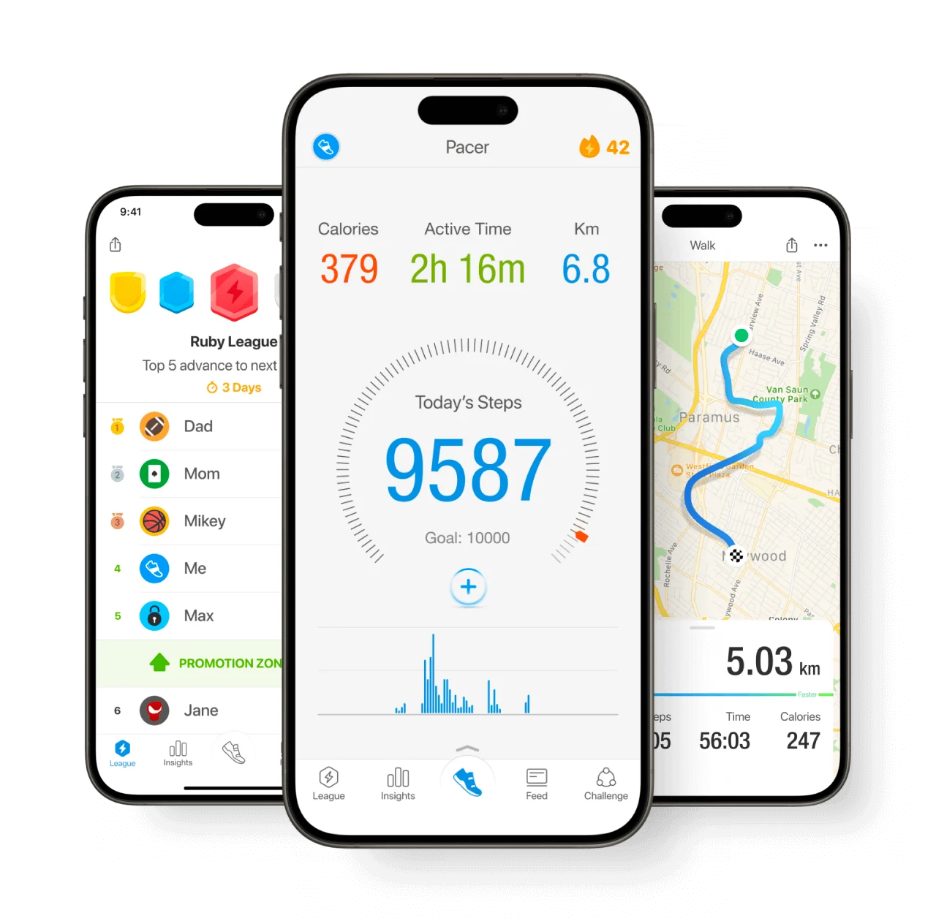
Fitness coaching is no longer confined to gyms or studios. Clients expect guidance that fits into their daily lives, whether they are walking in the park, training at home, or traveling. Fitness apps have become the bridge between trainers and clients, offering tools that extend coaching beyond scheduled sessions.
Content
Why Personalization Drives Success
Generic workout plans often fail because they ignore individual needs. Personalized coaching ensures that each client receives recommendations suited to their fitness level, lifestyle, and goals. Apps make this possible by collecting data on steps, calories, heart rate, and sleep. Trainers can then design programs that adapt in real time, keeping clients motivated and reducing the risk of burnout.
Everyday Walks as Coaching Opportunities
Walking is one of the simplest activities to integrate into personalized programs. Trainers can encourage clients to log daily walks, turning routine movement into measurable progress. By reviewing step counts and distance, coaches can highlight achievements and set new targets. This approach transforms ordinary walks into fitness wins, reinforcing the idea that consistency matters more than intensity.
How Trainers Benefit from Apps
For professionals, fitness apps are more than tracking tools. They provide:
Continuous feedback that helps trainers adjust programs quickly.
Remote monitoring so coaches can support clients outside the gym.
Goal customization to match each client’s needs.
Community features that allow trainers to build group challenges.
Data‑driven insights that improve decision‑making and program design.
Building Motivation Through Technology
Motivation is often the hardest part of fitness. Apps solve this by showing progress charts, celebrating milestones, and sending reminders. Trainers can use these features to keep clients engaged. When clients see their numbers improve, they feel encouraged to continue. This digital reinforcement complements traditional coaching and strengthens long‑term commitment.
Recommendations for Coaches
Trainers should integrate apps into their coaching strategy by:
Encouraging clients to track daily activity, especially walking.
Reviewing weekly reports to adjust training intensity.
Using app challenges to build community and friendly competition.
Celebrating milestones with clients to reinforce motivation.
Teaching clients how to interpret app data for self‑awareness.
Considering Custom App Development
Some trainers may want to create their own app tailored to their coaching style. Before starting, it is important to understand the cost of developing a fitness app. Basic apps with step tracking are affordable, while advanced platforms with wearable integration, nutrition tracking, and cloud support require larger budgets. Trainers should evaluate their needs carefully and consult developers to ensure the investment aligns with their business goals.
Inclusivity Through Digital Coaching
Fitness apps make coaching accessible to a wider audience. Beginners, older adults, and those recovering from illness can all benefit from personalized walking programs. Trainers can adapt goals to different fitness levels and use apps to monitor progress. This inclusivity expands the reach of coaching and demonstrates a commitment to holistic health.
Looking Toward the Future
The future of personalized coaching will be shaped by technology. Artificial intelligence will provide tailored recommendations based on client data. Wearables will deliver deeper insights into recovery and performance. Trainers who embrace these tools will remain relevant and competitive. By combining human expertise with digital support, they can deliver coaching that is both personal and scalable.
Final Thoughts
Personalized coaching through fitness apps empowers trainers to deliver better results and clients to achieve consistent wins. By turning everyday walks into measurable progress, apps make fitness accessible and motivating. For coaches considering their own app, understanding fitness app development cost ensures smart planning. In the end, technology enhances the human touch, helping trainers guide clients toward healthier, more active lives.
Helen Bradley is a health blogger and the founder of her own blog about fitness. She has been blogging for three years now and loves to share what she learns with others. Helen enjoys reading, cooking, and staying active outdoors.